
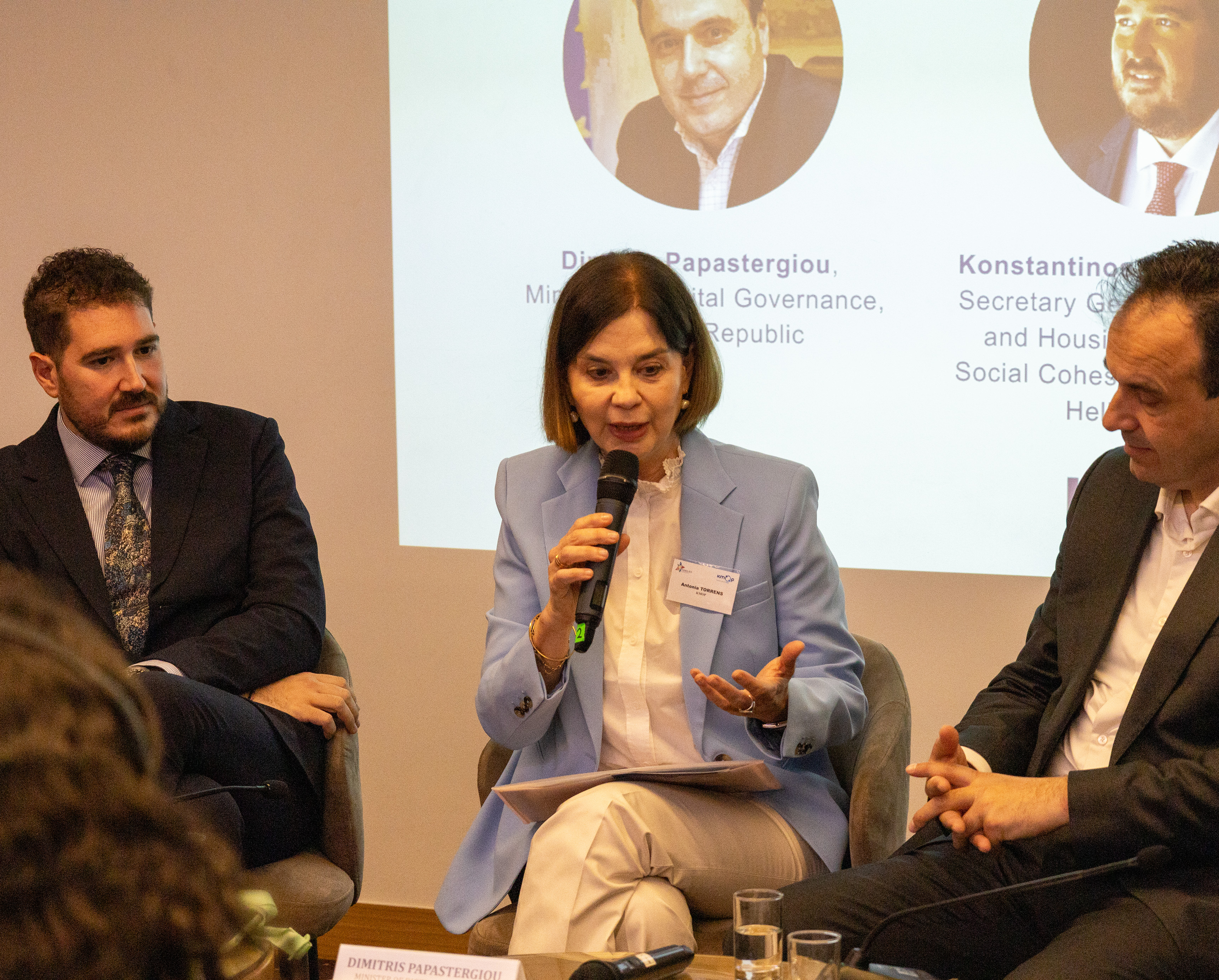
Artificial intelligence is creating a new, largely uncharted reality, reshaping how families work, learn, and communicate.
To explore both the challenges and opportunities AI brings to family life, KMOP and the Confederation of Family Organisations in Europe (COFACE Families Europe) organised an expert meeting in Athens on Tuesday, 17 March.
The event brought together 100 policymakers, researchers, civil society representatives, and technology experts from 23 European countries. Participants discussed the growing impact of artificial intelligence on families, with particular emphasis on fundamental rights, equality, education, digital inclusion, and the future of work.
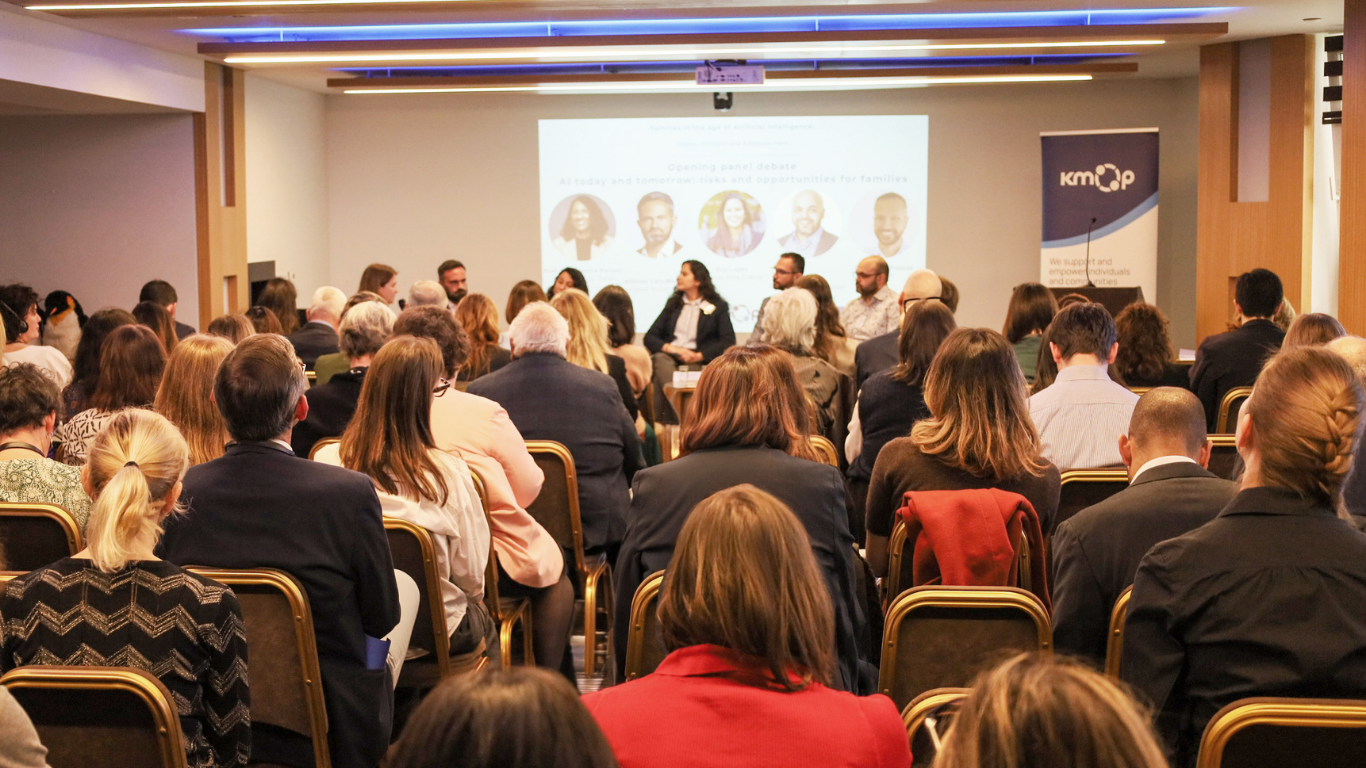
Artificial intelligence is already transforming everyday family life
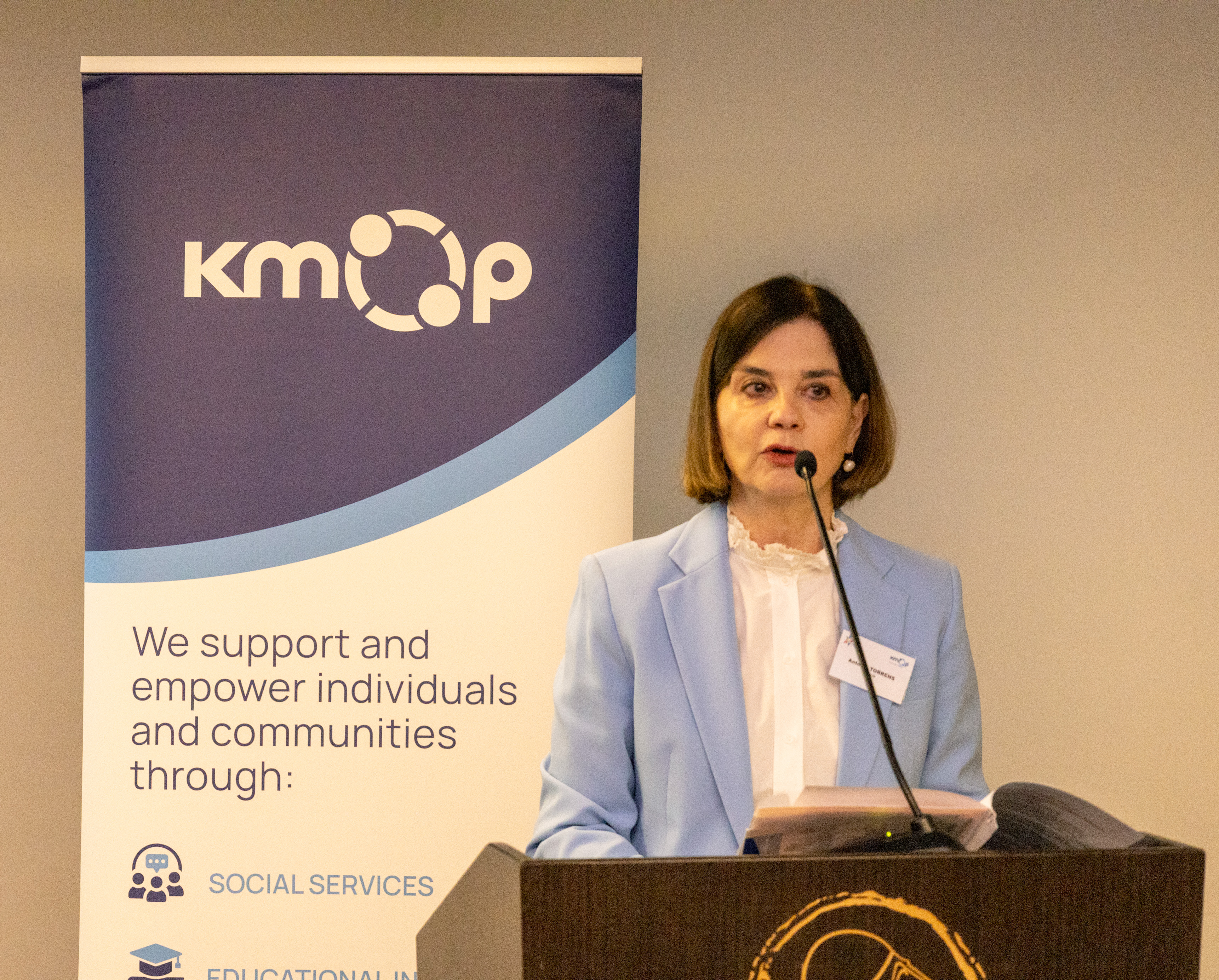
Opening the conference, Dr. Antonia Torrens, President of COFACE Families Europe and General Director of KMOP, stressed that artificial intelligence is already having a profound impact on everyday family life.
As she explained:
“Artificial intelligence is no longer a distant technological development. Parents use algorithm-driven platforms to search for jobs, children interact with AI-powered educational applications, and families receive automated notifications from banks and services. At the same time, older people rely on smart technologies to maintain their independence for longer.”
According to Dr. Torrens, AI is not only transforming economies but also reshaping the very structure of everyday life. For this reason, she stressed the importance of bringing the family perspective into public debates on the governance and regulation of artificial intelligence.
Echoing this view, Dr. Antonis Klapsis, Vice-President of KMOP and Associate Professor at the University of the Peloponnese, noted that a key objective of the meeting is “to ensure that artificial intelligence serves society and not the other way around.”
The role of public policy
From the government’s perspective, Greece’s Minister for Digital Governance, Dimitris Papastergiou, highlighted that discussions around artificial intelligence come at a critical moment for the Greek government, particularly in relation to measures concerning the use of social media, which is an issue closely linked to children’s mental health.
He noted that, beyond concerns about social media addiction, equal attention should be given to how young people understand knowledge and information in the digital age.
In a time when many people tend to assume that whatever an AI chatbot produces is correct, strengthening critical thinking and digital literacy through education becomes essential. Developing these skills, he argued, will empower future citizens to distinguish reliable information from misinformation and navigate the digital environment responsibly.
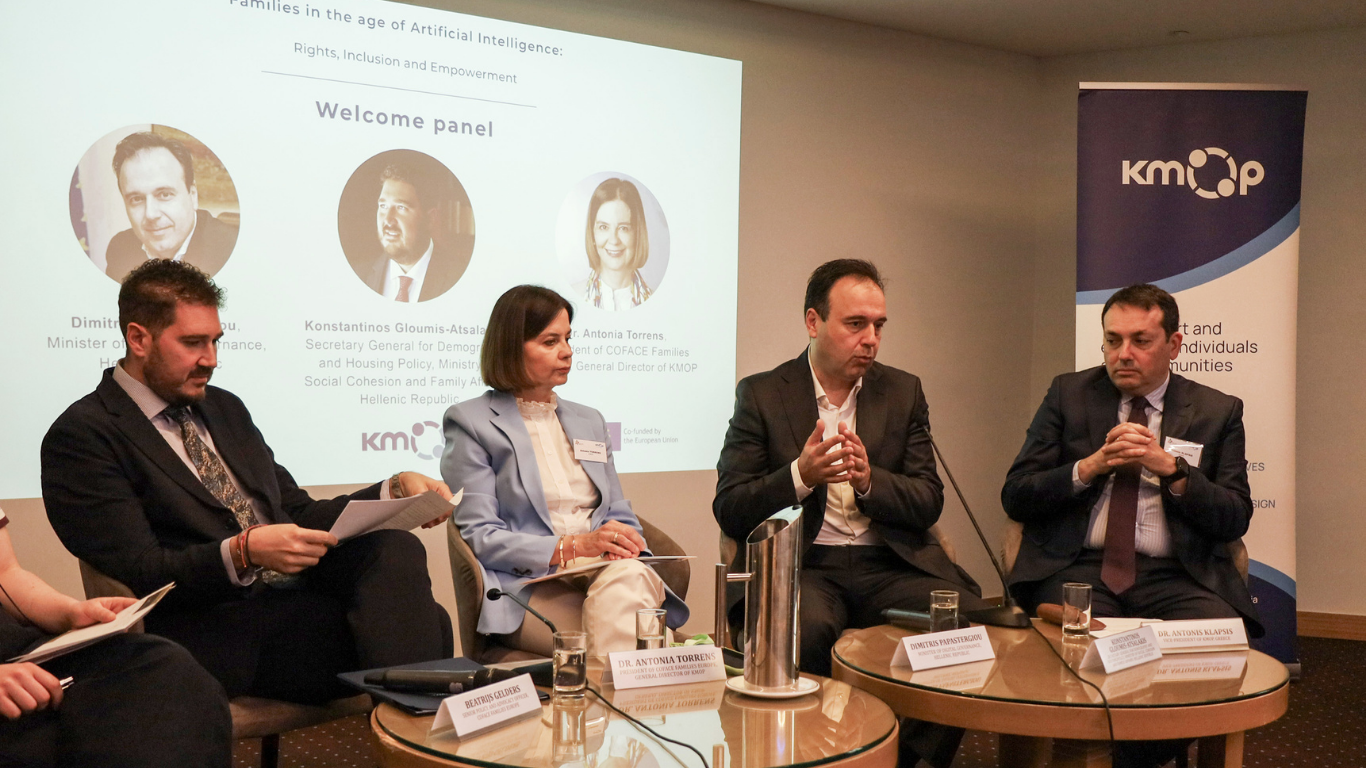
At the same time, Konstantinos Gloumis-Atsalakis, Secretary General for Demographic and Housing Policy at the Ministry of Social Cohesion and Family, highlighted that artificial intelligence is already part of everyday life and that policy responses should not focus solely on the technological dimension.
Instead, policymakers have to consider how new technologies affect social cohesion and how potential new forms of inequality can be prevented.
In this context, he referred to the recent government initiative “Oloi Digital” (“All Digital”), launched by the Ministries of Digital Governance and Social Cohesion and Family. The programme aims to strengthen the digital skills of older people and persons with disabilities through 195 training and empowerment hubs across Greece.
Artificial intelligence as a new social infrastructure
During the thematic sessions, participants explored issues such as the future of work, online safety, social protection, financial inclusion, education, and consumer rights.
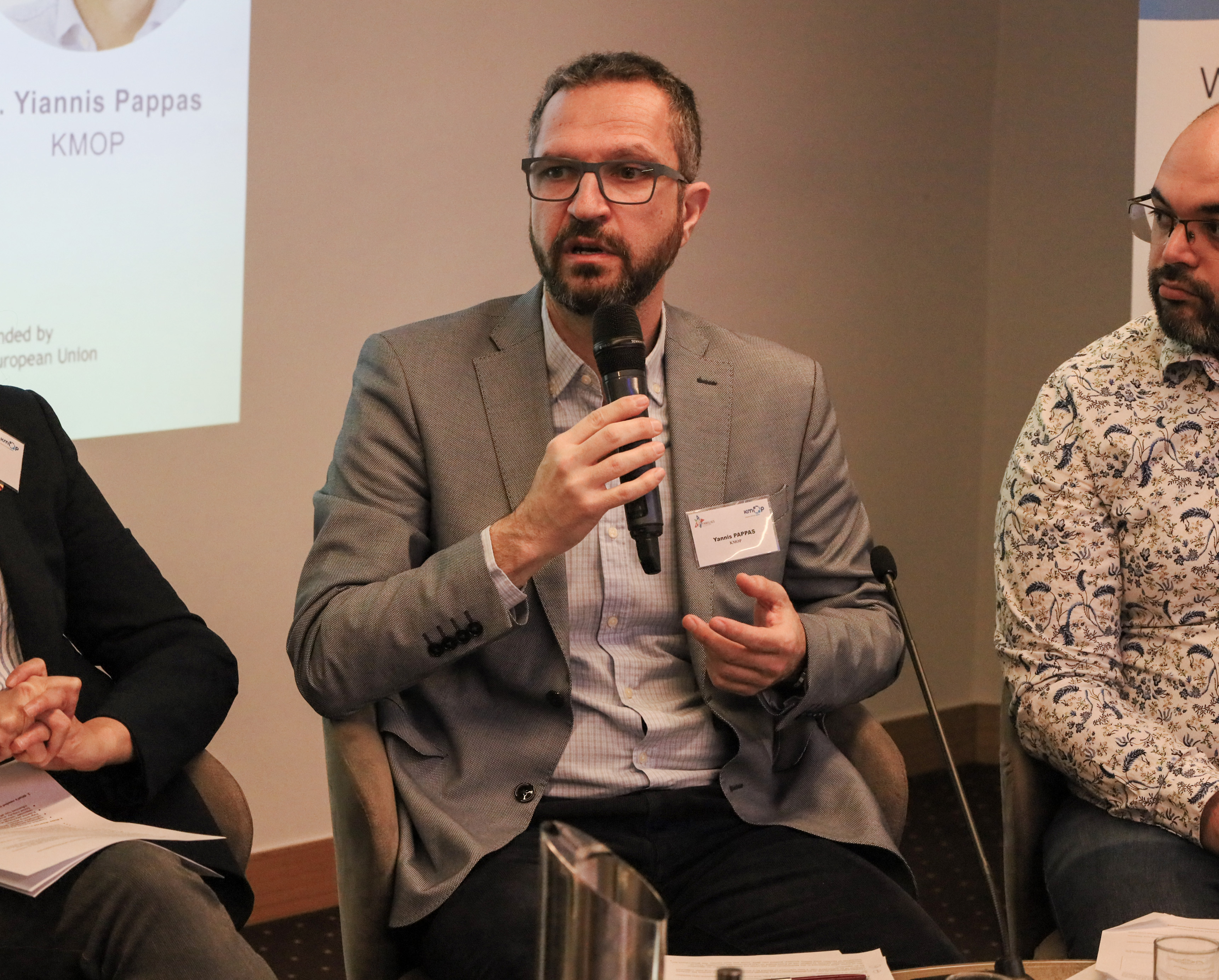
In this context, Dr. Yiannis Pappas, Head of Programmes at KMOP, underlined that artificial intelligence is entering family life gradually rather than as a sudden technological revolution. Instead, he explained, AI increasingly functions as a new form of social infrastructure, reshaping how families work, learn, and care for one another.
Artificial intelligence, social media, and child protection
A significant part of the discussions also focused on the relationship between artificial intelligence and social media platforms.
Participants pointed out that many digital platforms rely on algorithmic systems designed to maximise user engagement, while at the same time integrating generative AI tools without sufficient risk assessments. For this reason, speakers issued strong calls to the technology industry to strengthen safeguards for users — especially children — and to ensure that children’s rights are taken into account when designing and deploying new digital services.
The European Artificial Intelligence Act
The discussions also addressed the European regulatory framework for artificial intelligence, in particular the EU Artificial Intelligence Act (AI Act). The Act aims to ensure that AI systems placed on the European market are safe and respect fundamental rights, while promoting equality and non-discrimination. Among other safeguards, it includes provisions to protect minors online, such as prohibiting AI systems that exploit vulnerabilities linked to age.
However, participants noted that important regulatory gaps remain. These include issues related to the use of AI in financial services, the protection of families with a migration background, and the absence of a clear prohibition of so-called “nudifier” tools — AI systems capable of generating or manipulating sexually explicit images. Such challenges were highlighted as areas requiring further regulatory attention and stronger protection frameworks at the European level.
Towards family-centred artificial intelligence
Participants concluded that strengthening European regulatory frameworks is essential to promote a family-centred approach to artificial intelligence. Artificial intelligence, they noted, has the potential to support and empower families, provided that it is developed and deployed in ways that respect human rights and foster equality and social cohesion. Looking ahead, the key challenge will be to ensure that AI development enhances social well-being rather than deepening inequalities or vulnerabilities.
Discover more about the conference and the full agenda. For further information, contact KMOP at [email protected] or by phone at +30 210 3637547.