
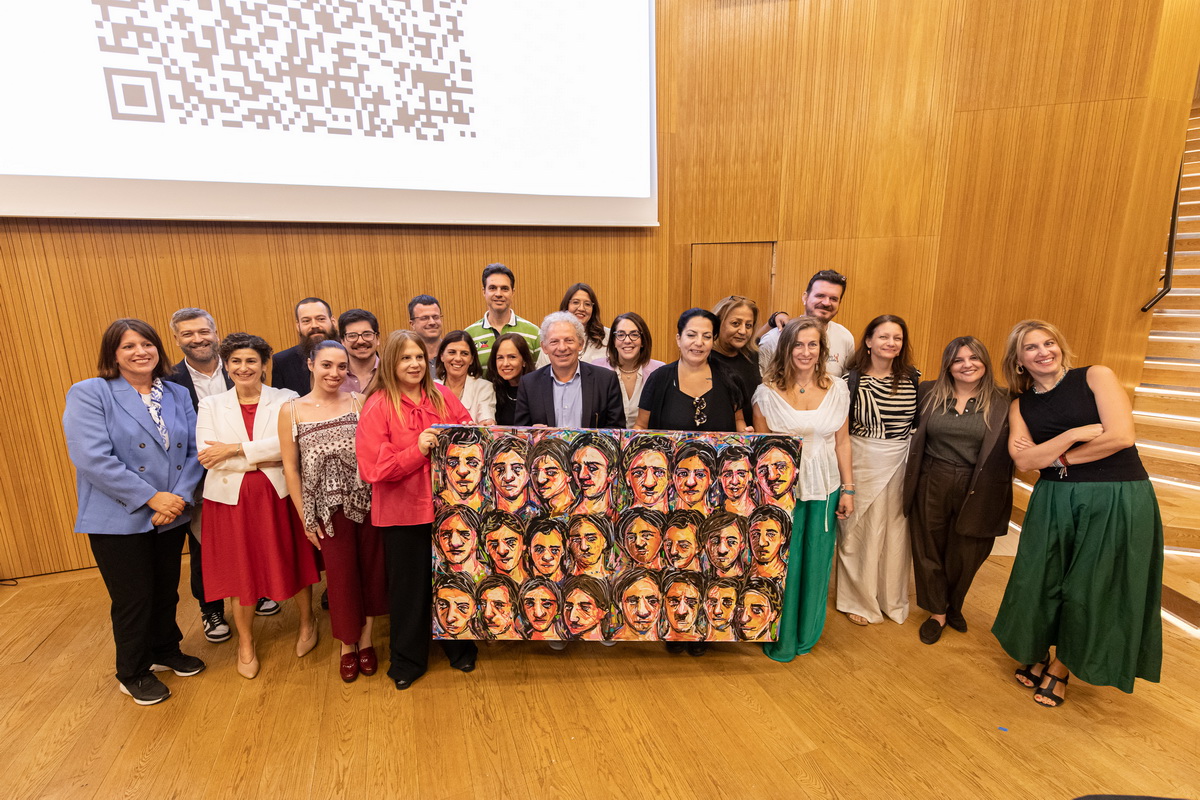
The final conference of the ECOSYSTEM project, organised by the Greek National Commission for Human Rights (GNCHR), took place on Friday, 18 September 2026, at Technopolis City of Athens, with significant participation from representatives of the state, independent authorities, universities and research institutions, international organisations, embassies and civil society organisations.
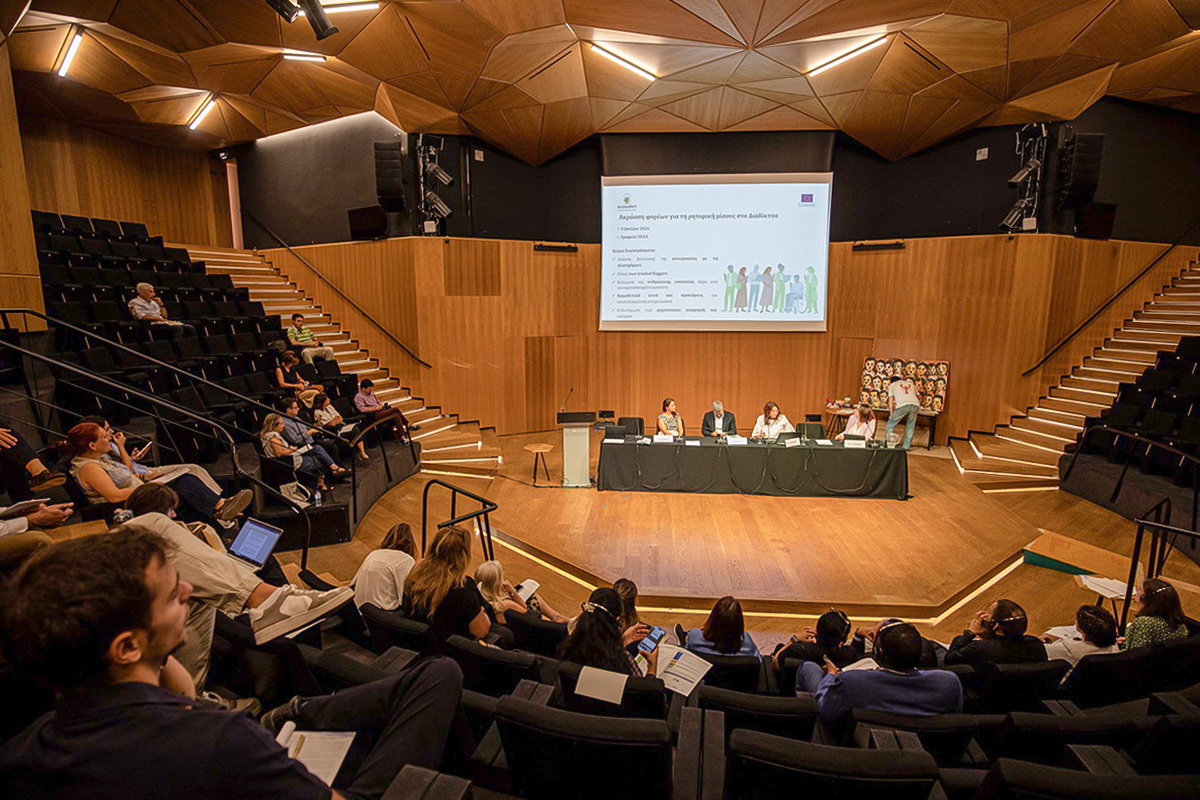
The ECOSYSTEM project was implemented between 2024 and 2026 by the Ministry of Social Cohesion and Family, in cooperation with GNCHR and KMOP – Social Action and Innovation Centre. Its primary focus was to promote a society based on equality and inclusion and to strengthen cooperation between public authorities, independent institutions and civil society organisations.
During its implementation, the ECOSYSTEM project contributed, among other things, to the development of the 2nd National Action Plan against Racism and Intolerance (2026–2029), to strengthening the capacity of the relevant national authorities to respond more effectively to incidents of intolerance, racism, hate crimes and intersectional discrimination, and to facilitating victims’ access to services, support organisations and useful information through a dedicated online platform available in eleven languages.
At the same time, nationwide information and awareness-raising activities were developed, with a presence on television, public transport and other public spaces.
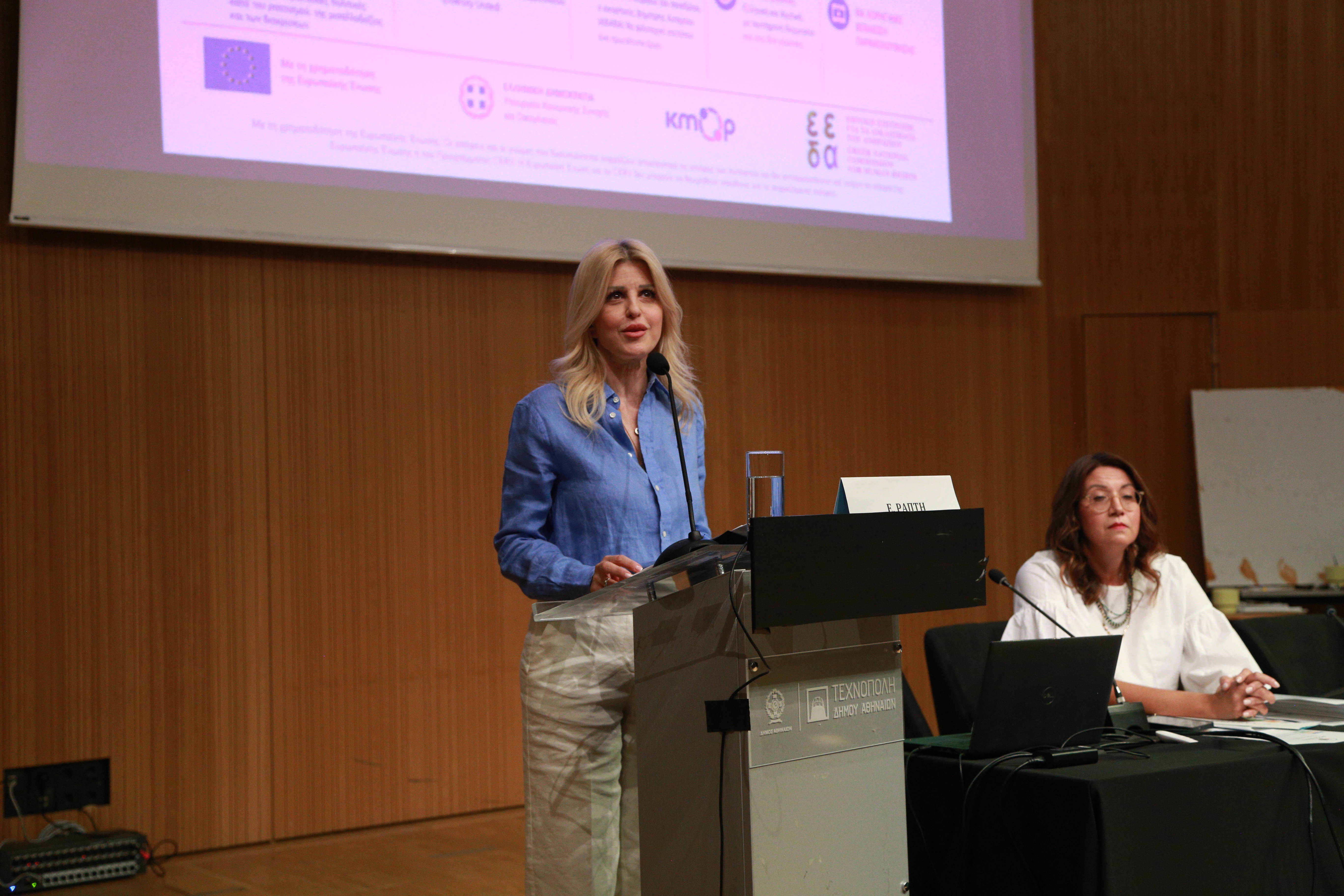
In her opening address, Elena Rapti, Deputy Minister of Social Cohesion and Family Affairs, underlined that the completion of the ECOSYSTEM project provides an opportunity to reflect on what has been achieved collectively and to reaffirm the commitment to ensuring that the protection of human dignity, equality and respect for diversity remain at the heart of public policies, as the value of human rights is ultimately measured in everyday life.
Kostis Papaioannou, President of Technopolis City of Athens, highlighted the importance of social and scientific dialogue in strengthening the institutional response to racism, intolerance and discrimination, at a time when social dynamics, both in Greece and across Europe, point to a growing wave of xenophobia, intolerance, racism and nationalist isolation.
In her address, Professor Maria Gavouneli, President of the GNCHR, stressed that racism and discrimination cannot be addressed through a single law, institution or isolated action. They require data, education, cooperation and, above all, the ability to translate experience from the field into public policy. The challenge is to turn knowledge into coordinated action, ensure that good practices cease to be exceptions, and give commitments continuity through institutions.
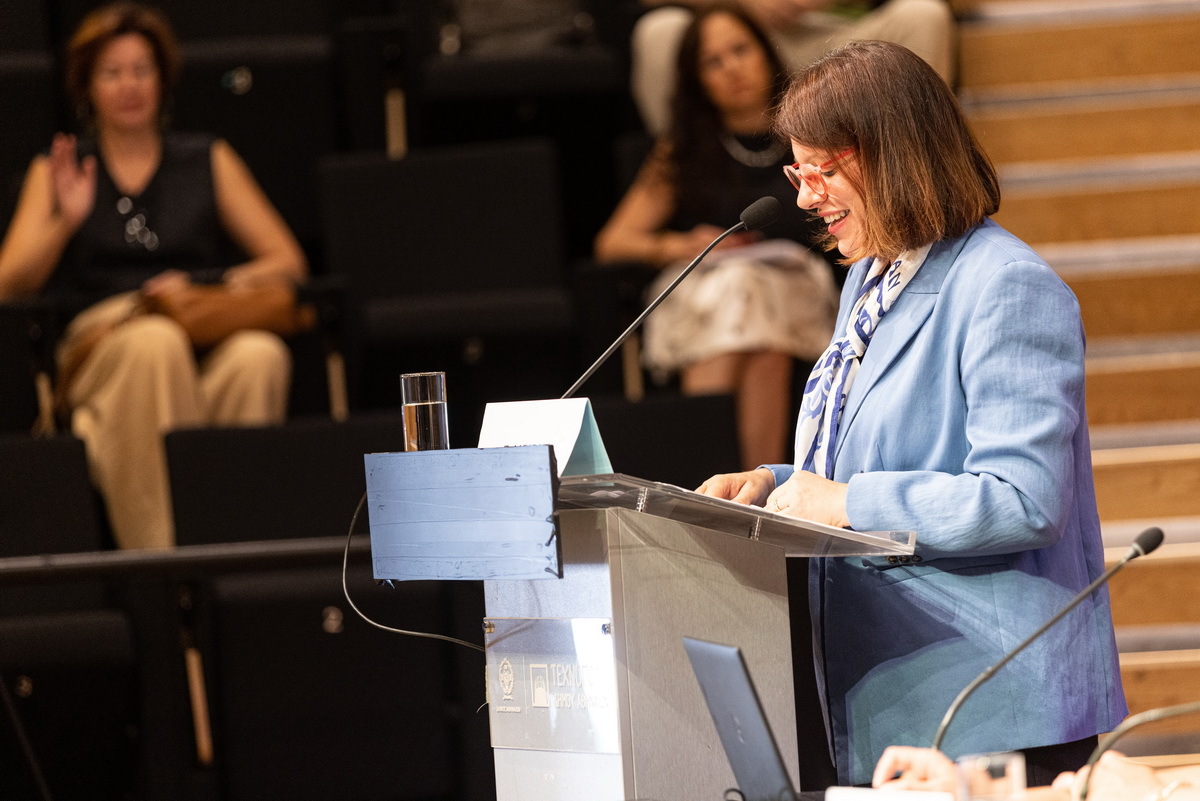
Jenny Lazarou, Institutional and Community Engagement Coordinator at KMOP, noted that the essence of the ECOSYSTEM project lies in the effort to make institutions more effective in responding to complex forms of intersectional discrimination and to give people the opportunity to speak without fear. Ultimately, what matters is creating institutions that respond to people’s needs and a society in which no one feels that they have to face discrimination or exclusion alone.
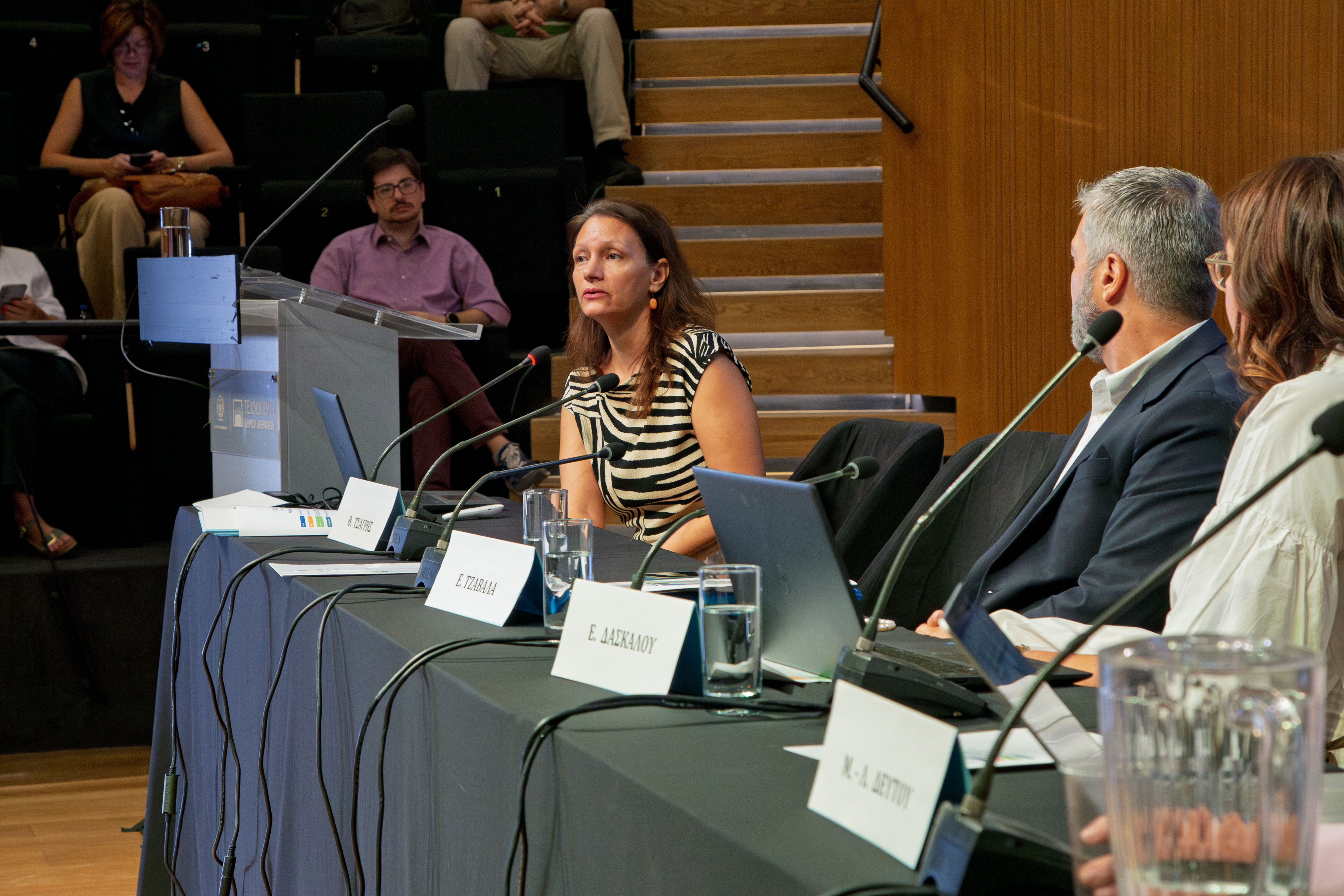
The conference continued with a presentation of the ECOSYSTEM project’s key activities and results by Theofilos Tsagris, Head of the Human Rights Department at the Ministry of Social Cohesion and Family Affairs, Eva Tzavala, Director of the Greek National Commission for Human Rights (GNCHR) and Eleni Daskalou, Project Manager at KMOP, moderated by Maria-Louiza Deftou, Special Adviser on Racist Violence at GNCHR and Head of the Racist Violence Recording Network.
The presentation highlighted the project’s main interventions during the 2024–2026 period, with particular emphasis on its contribution to the development of the 2nd National action plan against racism and intolerance, strengthening cooperation between public authorities, independent institutions and civil society organisations, and creating tools and mechanisms that facilitate victims’ access to reliable information on their rights and available support services across Greece.
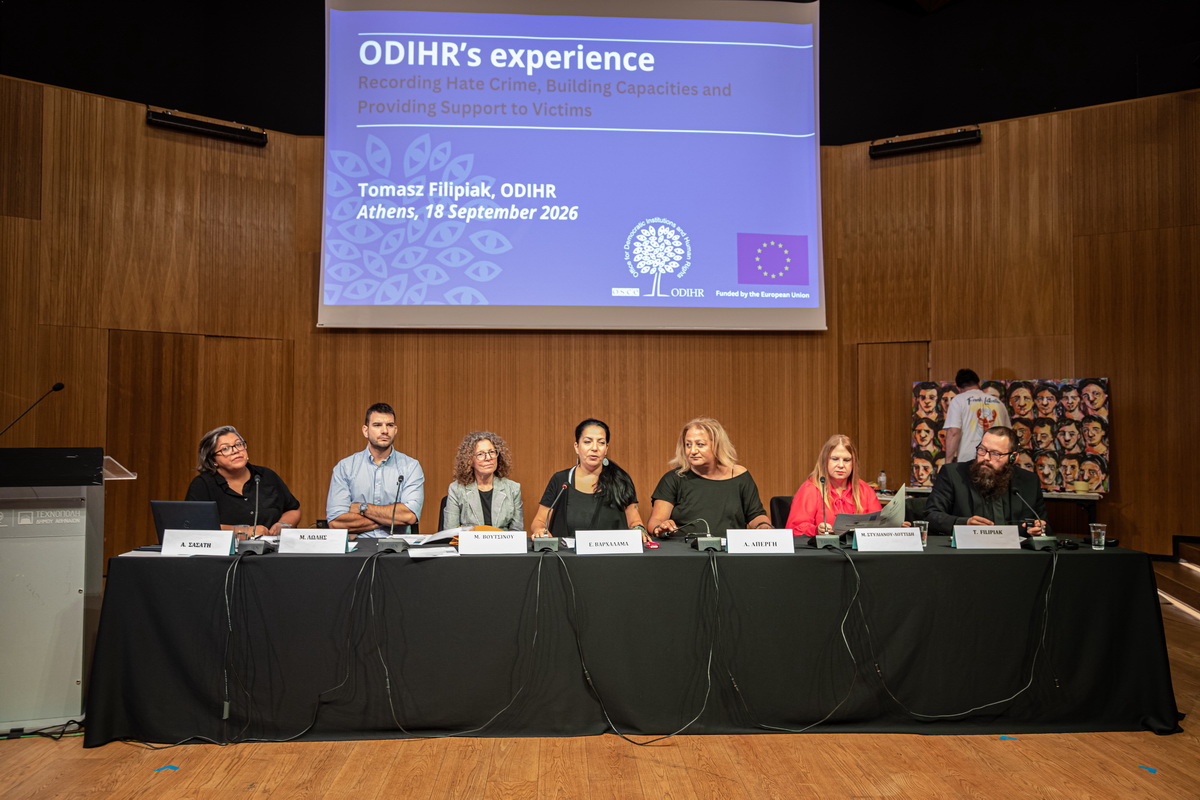
The second thematic session, entitled “Under-reporting of racist violence: Institutional challenges, access to justice and victim protection”, brought together Michalis Lolis, Police Major – Head of Attica Hate Crimes Unit, Maria Voutsinou, Lawyer at Greek Ombudsman, Maria Stylianou-Lottides, Commissioner for Administration and the Protection of Human Rights of Cyprus, Adla Sasati, Director of the Greek Forum of Migrants, Anna Apergi-Konstantinidi, Special Advisor/Expert at Diversity Charter Greece and Member of the GNCHR and Tomasz Filipiak, ODIHR Associate Project Officer Project Officer. The session was moderated by Elli Varchalama, Vice-President of the GNCHR.
The discussions highlighted the under-reporting of racist violence as a complex phenomenon linked to victims’ fear, lack of trust in institutions, and practical, linguistic and digital barriers that make it more difficult to report incidents and access justice. Participants also stressed the need to create safe and accessible reporting channels, strengthen victim support, ensure effective cooperation between the competent authorities, equality bodies and civil society organisations, and establish systematic and sustainable mechanisms for recording incidents, enabling the development of effective policies to address racism and discrimination.
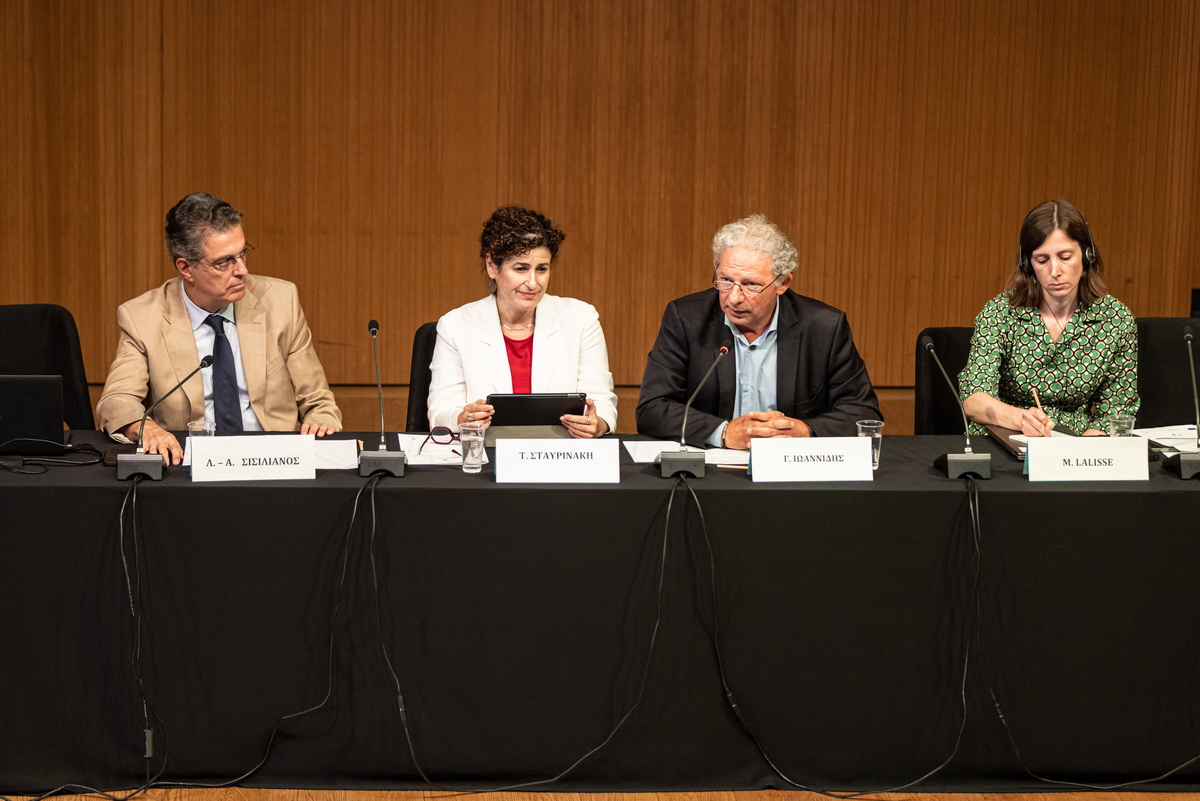
The third thematic session, entitled “International and European Policies to Combat Racism, Intolerance and Discrimination”, featured Linos-Alexandros Sicilianos, Professor at the School of Law of the National and Kapodistrian University of Athens, Member of the European Commission against Racism and Intolerance (ECRI) and former President of the European Court of Human Rights, Dr. Tina Stavrinaki, Assistant Professor of Human Rights and International Law at the Netherlands Institute for Human Rights (SIM) and the International and European Law Department at Utrecht University, elected member of the UN Committee on the Elimination of Racial Discrimination (CERD), Marion Lalisse, European Commission Coordinator on combating anti-Muslim hatred and Georgios Stamatis, Member of Parliament and General Rapporteur on Roma and Travellers of the Parliamentary Assembly of the Council of Europe (PACE). The session was moderated by Yiannis Ioannidis, Vice-President of the GNCHR.
Particular attention was drawn to the rise of hate speech across Europe, the challenges posed by discrimination and racial profiling, and the importance of making effective use of the European and international legal framework to protect rights. Participants highlighted that European bodies have established a strong and comprehensive institutional framework against discrimination, requiring effective judicial protection and policies that address not only individual acts but also the structural causes of inequality.
The obligations of states regarding prevention, education, systematic monitoring and effective redress for victims were also discussed, alongside contemporary forms of anti-Muslim racism and their impact on people’s everyday lives. A common theme across the interventions was the need for timely institutional responses to hate speech, effective implementation of existing protection mechanisms, and identification of policy gaps that continue to fuel discrimination and intolerance.

During the event, visual artist and painter Dimitris Asteriou created an artwork entitled “Journey”, artistically capturing the messages and concerns raised during the conference. This was followed by a screening of the poetic video-dance documentary “Walking in Light”, directed and produced and by Elena Zervopoulou, featuring unaccompanied minors with experiences of forced migration.

The conference concluded with presentations by the two artists, highlighting the contribution of art to making experiences of exclusion, migration and discrimination visible, as well as to fostering meaningful public dialogue on human rights.
For more information, please contact us at [email protected].