
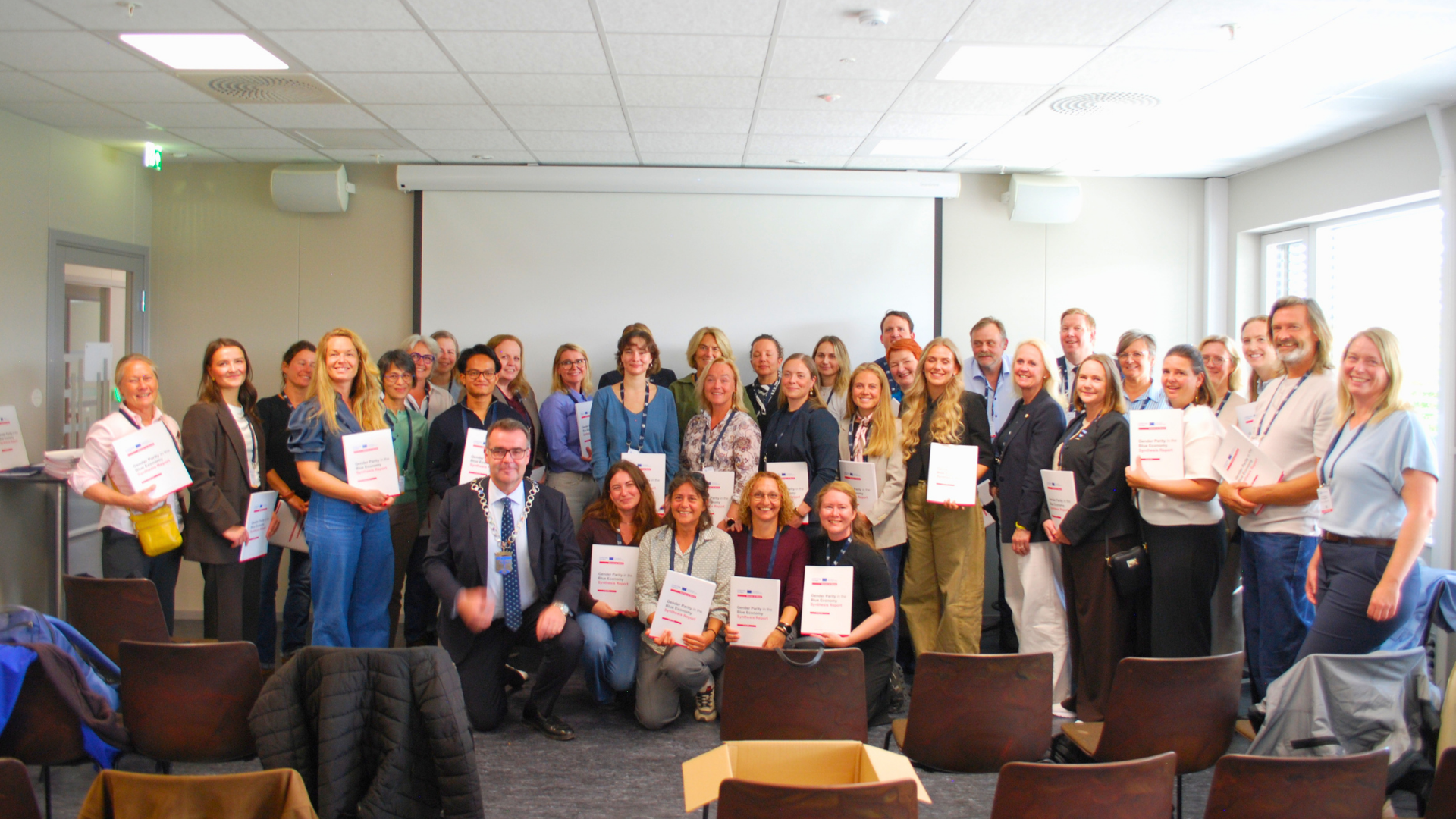
How can the blue economy become more inclusive and create better opportunities for women?
This question was at the heart of the Women on Board interregional event, peer exchange and study visit held in Trøndelag, Norway, from 18–20 August 2026. ΚΜΟP joined regional stakeholders, policymakers, researchers and representatives from the blue economy industry to explore how stronger cooperation across sectors contributes to a more gender-balanced blue economy.
Putting gender equality on the blue economy agenda
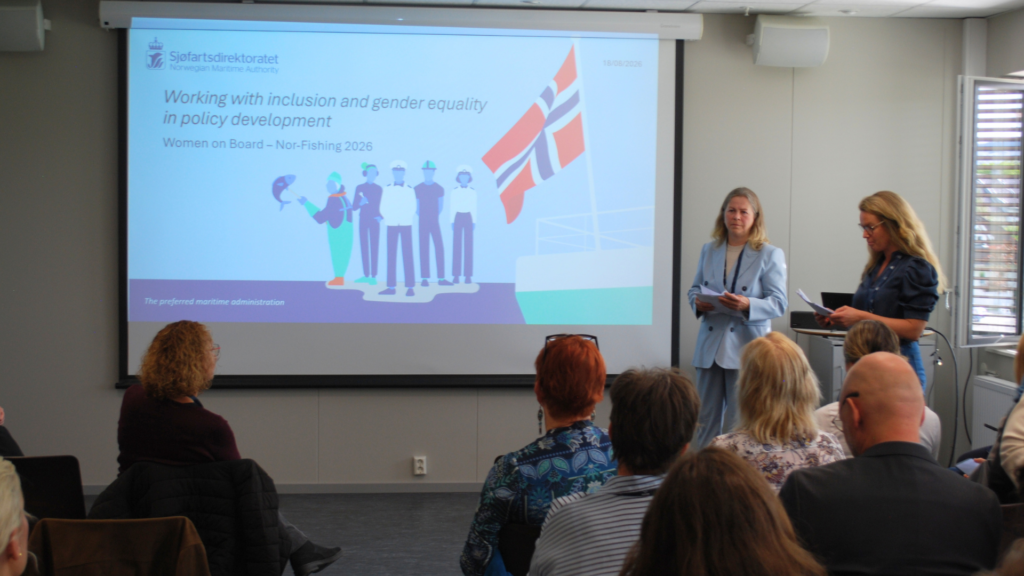
The Blue Competence Centre hosted the programme in Trondheim, where participants attended Nor-Fishing 2026, the leading international exhibitions for fisheries technology and the seafood industry.
The event offered an opportunity to hear directly from Norwegian industry, public authorities and civil society about the opportunities and barriers women face in the sector.
Lerøy ASA shared approaches to supporting women’s careers in the blue economy, while Ahlsell highlighted how innovation in safety gear design tailored to women can help address barriers to participation. The Norwegian Maritime Authority presented policies supporting inclusion and gender equality, such as the Collaboration Agreement for Gender Equality in the Norwegian Fisheries Sector. Hun Fisker and Jenter i Havbruk also shared experiences and initiatives aimed at strengthening women’s participation and representation in fisheries and aquaculture.
The discussions highlighted a key message: gender equality requires action not only in recruitment, but throughout women’s careers.
Turning evidence into action
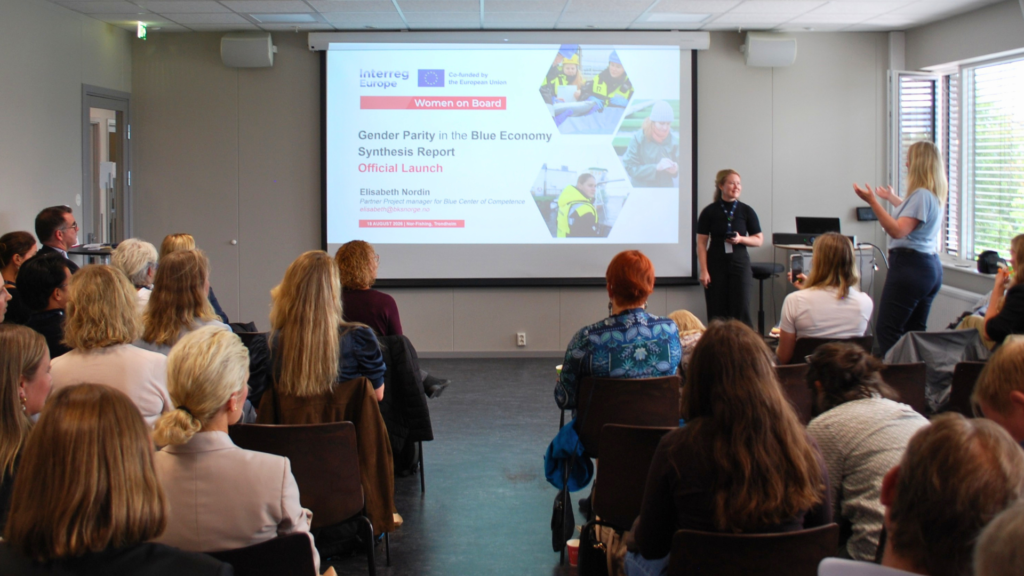
During the visit, partners discussed the key findings of the Gender Parity in Blue Economy Synthesis Report, which brings together research and insights from seven European regions.
The report highlights the need for a long-term approach to closing the gender gap in the blue economy, supporting women throughout their careers, from entering the sector to career development, leadership and retention. Read the full research report here.
Learning from Norway’s blue economy
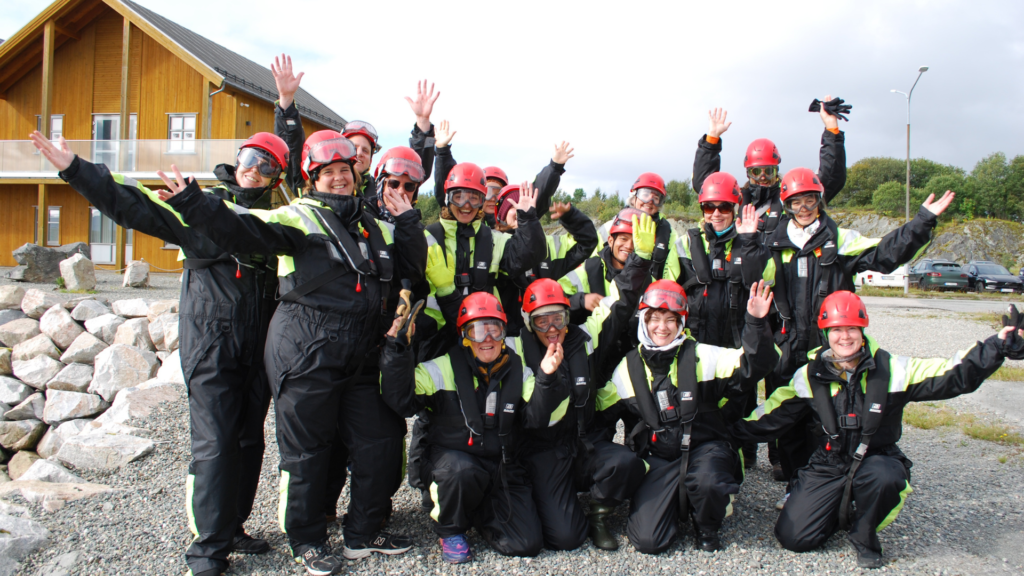
The programme continued in Frøya and Hitra, two of Norway’s key aquaculture cities. Visits to Lerøy Seafood Group facilities and salmon farms gave participants first-hand insights into sustainability, skills development and the changing needs of the blue economy workforce.
At Guri Kunna VET School and its Resource Centre, participants explored how vocational education can connect students and apprentices with employers and create pathways into the sector. NTNU and SINTEF also presented initiatives linking research, world-class innovation and education while supporting greater participation of women in academic and scientific roles.
The Peer Exchange session provided space for project partners to compare experiences, identify common barriers and explore good practices that could be adapted to different regional contexts.
From knowledge exchange to better policies
The Norwegian study visit demonstrated that creating a more gender-balanced blue economy requires coordinated action across industry, education, research and public policy.
The experiences and practices shared in Trøndelag will contribute to the next phase of Women on Board, supporting regional roadmaps and practical measures to improve women’s participation, career development and leadership in the blue economy.
As the project’s Communication and Dissemination leader, KMOP contributes to sharing these experiences and policy insights, helping successful approaches reach policymakers, practitioners and regional stakeholders working on the blue economy and gender equality across Europe.
For more updates about the Women on Board project: